
Research and Impact

CIfA Research and Impact Group logo
Join this group

Everyone is welcome to join the Research and Impact Special Interest Group. It is specifically relevant to those interested in contributing to research and theoretical archaeology.

For CIfA Members

If you are a CIfA member, you can join any CIfA Group that matches your interests. 

  • Log in to your CIfA account Member Area
  • Go to the My groups & lists section of your profile
  • Select the Group(s) and Networks you’d like to join (there's no limit to how many you can join)
  • Your Group or Network membership will be added to your account

Once joined you’ll receive any Group communications and can take part in events, discussions, and activities.

Watch this video for step by step instructions for CIfA members to join any Group or Network.

For non-CIfA members

You don’t need to be a CIfA member to join a CIfA Group. All of our Area or Special Interest groups welcome non-members to join their mailing lists and activities by registering as a Group Supporter for £15 per Group per year.

  • Joining a Group does not require CIfA membership
  • This enables you to receive all of the benefits of the Group which CIfA members receive, but only for the specific Group you join

More information about joining a Group as a group supporter can be found on the Join as a Group supporter webpage, or you can register to join any Groups using this simple form. 

Not sure which option applies to you?

If you’re unsure how to join, whether a Group is right for you, or need help with the process, you can email groups@archaeologists.net for guidance. We're always happy to point you in the right direction!

Committee
Chair
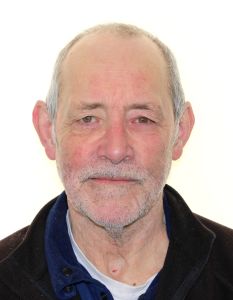
Peter Guest
Show bio

Peter is an independent archaeologist and numismatist with over 3 decades’ experience as a researcher, teacher, excavator, curator and project manager. Providing a range of archaeological and heritage services, Peter works collaboratively with national heritage services, universities, contracting units and museums on a diverse range of projects (Vianova Archaeology & Heritage Services)

Peter’s areas of expertise include Roman coinage and the monetary economy, as well as the archaeology of Britannia and the north-western provinces. He has written of 6 books and over 80 articles, book chapters and reports, including 25 published coin reports from a range of sites in the Uk and beyond. 

Peter is a Fellow of the Society of Antiquaries of London (FSA) and a full member of the Chartered Institute for Archaeologists (MCIfA). He was Chair of the Archaeology Committee of the Society for the Promotion of Roman Studies (2010-2017), Honorary Research Fellow at the National Museum Wales (1999-2022), and is also a Director of Barbican Research Associates.

Secretary
Colin Forrestal
Committee member
Perry Gardner
Show bio
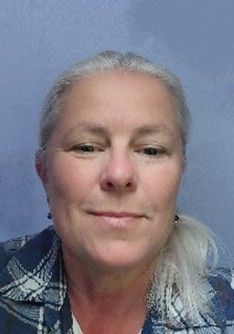
A photo of RIG committee member, Perry Gardner
Committee member
Daria Dabal
Show bio
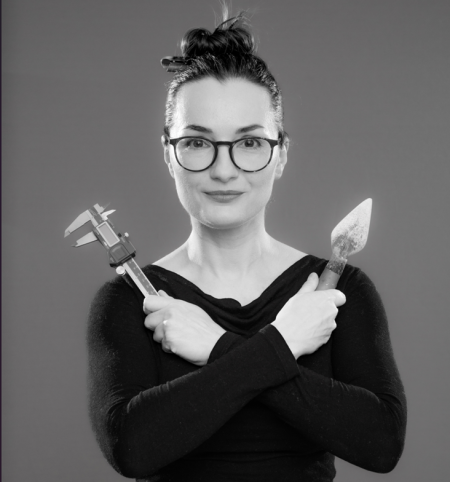
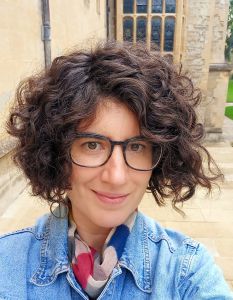
A photo of RIG committee member, Daria Dabal

Daria has worked primarily in the commercial archaeology sector and has been a CIfA‑accredited member since 2020. She originally studied archaeology in Poland, but fell in love with the beauty and diversity of British heritage.

Committee member
Katerina Vavaliou
Show bio
A photo of RIG committee member, Aikaterini Vavaliou
Committee member
Leila Joensson
Show bio
A photo of RIG committee member, Leila Joensson

Leila is educated M.Ed. and MA in Celtic Archaeology. She has a solid background in the education sector and worked as a field archaeologist in the UK and DK from 2021-2024. From 2024-2027 she is a Ph.D. student affiliated with the University of Vienna and the research group ‘Prehistoric Identities’. Leila’s research is in the cross field of archaeology, history and anthropology with a further focus on belief systems and practices in the Iron Age North Sea Zone. Focus is on the strangled bog bodies and rituals linked to destruction of man and material before deposition in watery contexts. The research project includes archaeological data and case studies in Denmark, the Netherlands, North Germany and the United Kingdom. Leila’s professional goal is the dissemination of archaeological and historical knowledge for all. Writing and publishing historical novels goes hand in hand with her academic work. 

Research Cluster: https://dshcs.univie.ac.at/ueber-uns/forschungsschwerpunkte/archaeologie-und-materielle-kultur/doktorandinnen/leila-buchardt-joensson/

Specialist competence matrix

We are pleased to announce the new and improved specialist competence matrix to help those working in academic or research roles to apply for professional accreditation or use as a tool for CPD development.

This was created and edited by RIG committee members as part of the review of all the specialist matrices to ensure they are up to date and fit for purpose. These take place roughly every three years. 

We hope this is useful to new and upgrading applicants and if you have any feedback please get in touch.

Three year plan

Research and Impact Group (RIG, in short) group provides a platform to inspire and support archaeological research across the commercial, academic and community sectors. We act as a forum for collaboration, discussion and information exchange where pure and applied research interests naturally coalesce.

We seek to promote and highlight good practice to ensure that datasets are collected and analysed within the context of secure research frameworks to ensure that the results can withstand rigorous peer-review.

The aims of the group are:

  • promote high quality archaeological research, standards and good practice whatever the scale and nature of intervention within the historic environment.
  • encourage and support the formulation of research agendas to underpin standards and good practice.
  • encourage dissemination of research findings in formats appropriate to individual projects, that creates maximum impact both within the historic environment sector and where appropriate, wider social, economic and political spheres.
  • encourage writing and publication as a vehicle to personal and professional development and career progression.
  • create collaborative networks between professional, academic and community-led archaeologists.
  • facilitate the dissemination of information regarding research funding and project opportunities.

Events

Event date